PHP runtime, handled
composer.jsonfrom your composer constraint
PHP + extensionsPHP and extensions matched to your composer constraints.
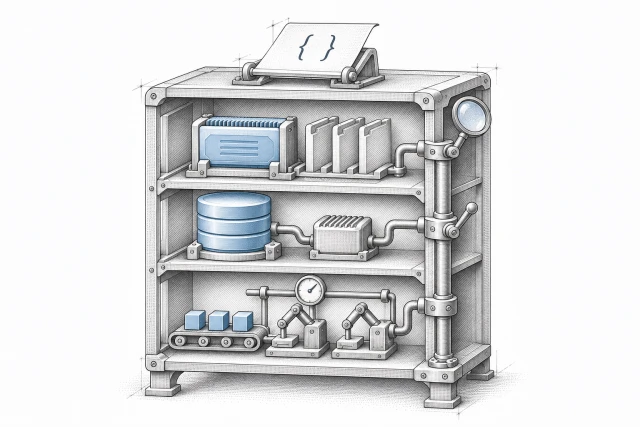

Push once. We deploy the app, then keep PHP, queues, the scheduler and the services underneath it running on servers you own.
PHP upgrades are handled on a schedule, with compatibility checks first. Your application and its packages stay yours.
Workers restart onto the fixed runtime, including long-running jobs.
Scheduled tasks keep running. The activity log records server changes, automatic updates and reboots.
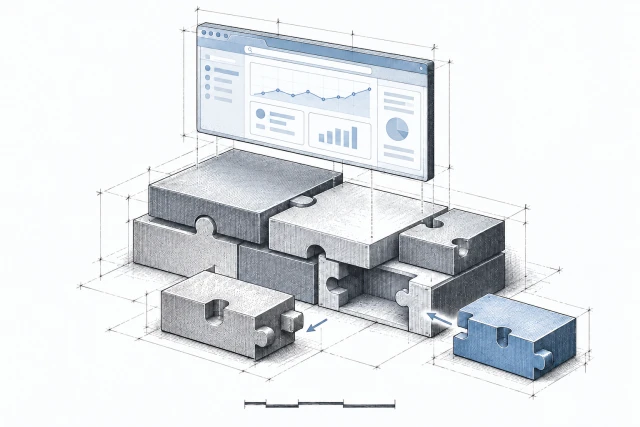

One repository. A working stack.
composer.jsonfrom your composer constraint
PHP + extensionsPHP and extensions matched to your composer constraints.
Queue configurationdriver, and how many workers
Queue workersSupervised workers, gracefully restarted on every deploy.
Application scheduleon, if you have one
schedule:runDefine scheduled tasks in code. strackt keeps the scheduler running.
Database and cache configfrom your database config
Database + cacheProvision the database and cache your application uses.
Review the detected proposal before deploying. Node is used only when your repository needs to build assets.
The deploy plan builds dependencies and assets, runs migrations and switches the release. Edit the plan when your app needs a custom step. Returning to a previous application release does not undo database changes; database recovery uses an available service snapshot. The release sequence · Recovery choices.
Pull-request previews and deploy feedback are GitHub-only today. The complete capability overview · Ongoing server responsibilities · The update policy.
We don't stack cookies.
Two essentials and one optional. That's the whole stack.
No advertising. No ad networks. Privacy policy