An app
Software someone built: a web shop, a booking calendar, the tool a company sends its invoices with. When you use one in your browser, it runs somewhere else.
What is strackt? In plain words
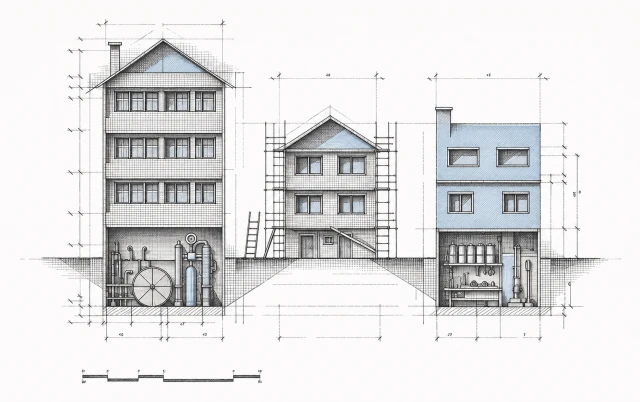

An app needs computers that keep it running. Those computers, called servers, need looking after for as long as the app exists. strackt does that part.
A developer writes the code. The code runs on servers. Somebody looks after those servers. That last job never ends, and it is what this page is about.
Software someone built: a web shop, a booking calendar, the tool a company sends its invoices with. When you use one in your browser, it runs somewhere else.
That somewhere else: computers in a data centre, switched on day and night. Developers rent them by the month, like storage units.
The recipe the app is made from, kept in an online folder (a repository) that remembers every change.
Putting a new version of the app online, so people get the change. Done badly, the app goes down while it happens.
Rent, do it yourself, or get a caretaker. Three ways to live, and three ways developers run their apps.
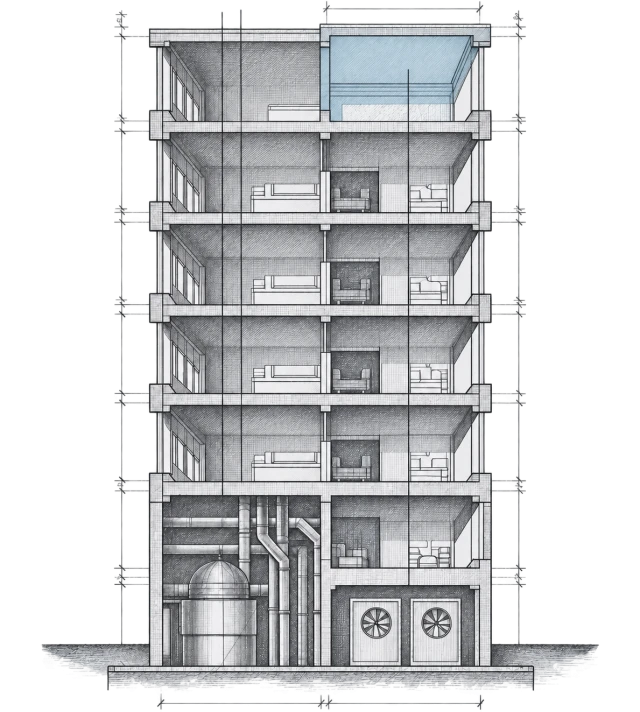

Convenient, but not yours
The landlord handles the repairs. But it is their building and their rules, and the rent goes up the more you use. That is the cloud.


Yours, but exhausting
Your walls, your rules. Then the roof leaks, the locks need changing, and the boiler breaks at 2am. That is what it feels like to look after the servers yourself.
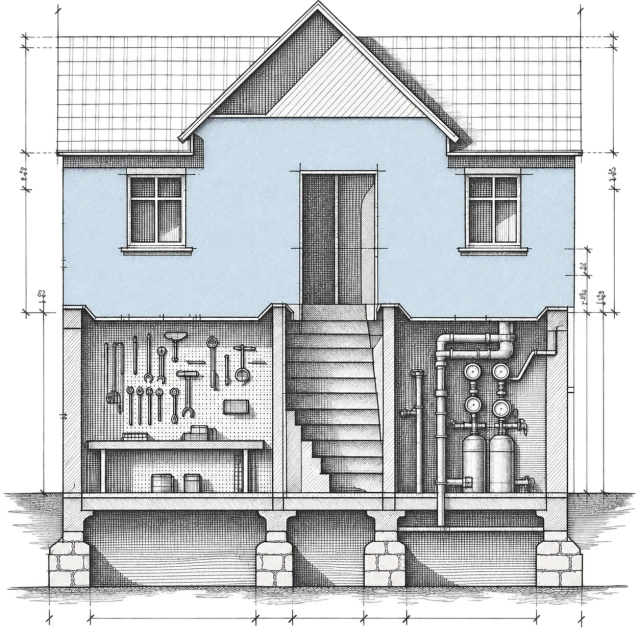

Yours, and looked after
You live in the house. The caretaker does the upkeep, and knows how everything was before. That is strackt.
A developer connects their code and servers they rent from a company they choose. strackt puts new versions online and looks after the software underneath.
For example, it records how the server should be set up. When a managed change is applied, the server is brought back in line with that plan. How the server setup is recorded. The developer can see what changed in the activity history. Open numbers publishes the work strackt has recorded.
A previous app release and a copy of the database are different ways back: restoring the code does not undo database changes. Database copies must be available before they can be restored. The recovery choices · The full server work.
People who write the code themselves, and would rather not look after the servers it runs on.
A product customers pay for every month. Every hour of server upkeep is an hour not spent on the product.
Websites and apps for clients, all needing the same care. Operated WordPress sites are supported in beta.
An app that started as an evening project and now has real users. It deserves care, without becoming a second job.
Laravel, plus WordPress, plain PHP, Symfony, Node.js, Next.js and Nuxt in beta. See the supported scope.
Running ready-made software, like a photo library or a password manager, is a different job. We recommend Coolify for that. Its catalogue includes both (as of 28 October 2026).
The first app is on us; each app after that is €5 a month, excl. VAT. The developer pays their own providers for servers and backup storage. See the price and an example bill.
The app stays on the developer’s servers if they leave. How leaving works · The story behind the name.
We don't stack cookies.
Two essentials and one optional. That's the whole stack.
No advertising. No ad networks. Privacy policy